
Desexing is a simple procedure with lifelong benefits. It helps prevent unwanted litters and supports your pet’s long-term health and behaviour.

No services found.

Desexing (spaying or neutering) is one of the most common veterinary procedures. It helps reduce the risk of certain health conditions, limits behavioural issues and contributes to responsible pet ownership.
Fear-free care starts before your pet even arrives. From the moment you book an appointment, we provide advice on travel and arrival, and our team is trained to recognise signs of fear and respond with kindness, patience and calm.
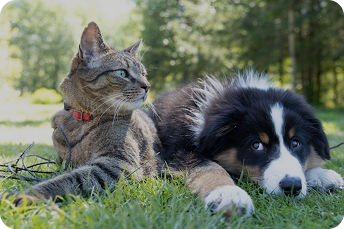
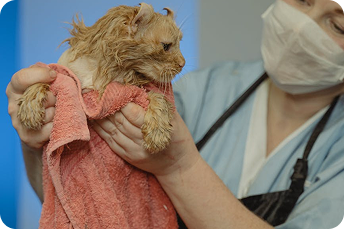
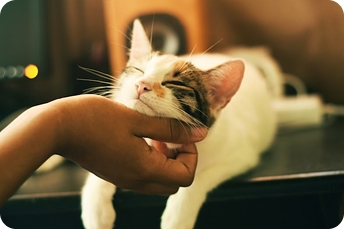
We’ve created a calm, quiet environment with separate waiting areas for cats and dogs to minimise noise and smells that can cause anxiety. Soft lighting, soothing sounds and slow, mindful movement are all part of our clinic.
We use species-specific pheromone diffusers in our clinic to help pets feel more at ease. These natural, scentless signals mimic what animals use to feel safe in their environment, helping create a more settled space.
Our team is trained in low-stress, gentle handling that respects your pet’s boundaries. We avoid force or restraint wherever possible and work at your pet’s pace to make each interaction feel safe and positive.
We’ve created a calm, quiet environment with separate waiting areas for cats and dogs to minimise noise and smells that can cause anxiety. Soft lighting, soothing sounds and slow, mindful movement are all part of our clinic.
Companion Pups Package members receive a 15% discount on desexing. Find out more about the Companion Pups Package.
We tailor our approach to each individual animal,
ensuring that they receive the most compassionate and
effective care possible.
We tailor our approach to each individual animal,
ensuring that they receive the most compassionate and
effective care possible.
We tailor our approach to each individual animal,
ensuring that they receive the most compassionate and
effective care possible.
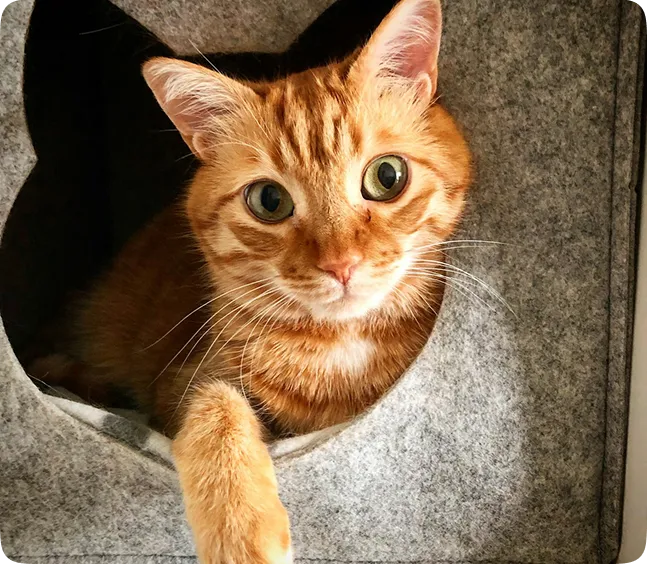
Fear-free care helps pets feel safer and more confident during visits. It leads to better cooperation, easier exams, and stronger long-term health outcomes, because pets aren’t as frightened or resistant to regular care.
By lowering fear levels, pets experience less physical stress—like raised heart rates or shaking—which can otherwise impact their health. This means quicker recovery, more accurate diagnostics and better overall wellbeing.
When pets aren’t anxious, they’re more receptive to treatment and routine care. This improves their quality of life and allows us to monitor their health more closely and effectively.
Creating a positive experience means your pet is less likely to associate vet visits with fear. Over time, they become more relaxed and cooperative—making future visits smoother and less traumatic for everyone involved.
Fear-free practices don’t just help pets—they make the whole experience better for you too. We know how hard it is to see your pet anxious, and we’re here to help reduce that worry.
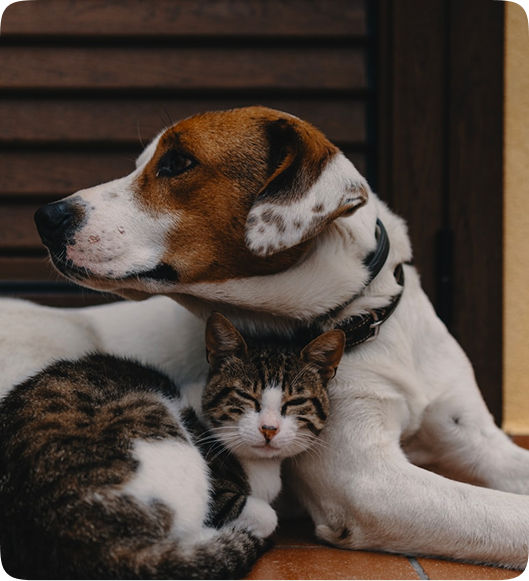
Our FAQs cover some of the most common queries we receive from pet owners, so you can feel informed and confident before your visit. If you can’t find what you’re looking for, just give us a call, we’re always happy to chat.
Our friendly team is here to make the process easy and stress-free.
Simply click below or give us a call—we’ll find a time that works
for you and your companion.
Be it a Cat, Dog or Rabbit, your pet is an important part of your family and you want to keep them happy, healthy and safe. In sickness, and in health, we’ll be there with the latest information and best practices: Helping you to care for your family pet.
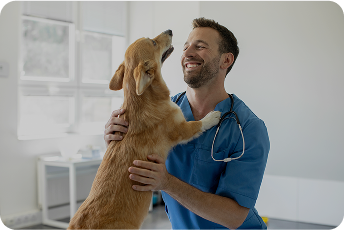
Our clinic follows fear-free principles to help make visits less stressful for pets and their people.
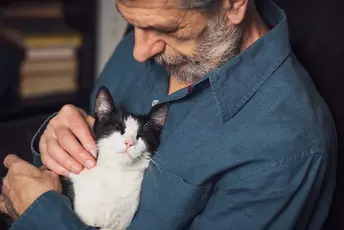
We offer tailored senior pet care, including arthritis management, diagnostics, nutrition advice and regular wellness checks.
Our clinic follows fear-free principles to help make visits less stressful for pets and their people.
We offer tailored senior pet care, including arthritis management, diagnostics, nutrition advice and regular wellness checks.