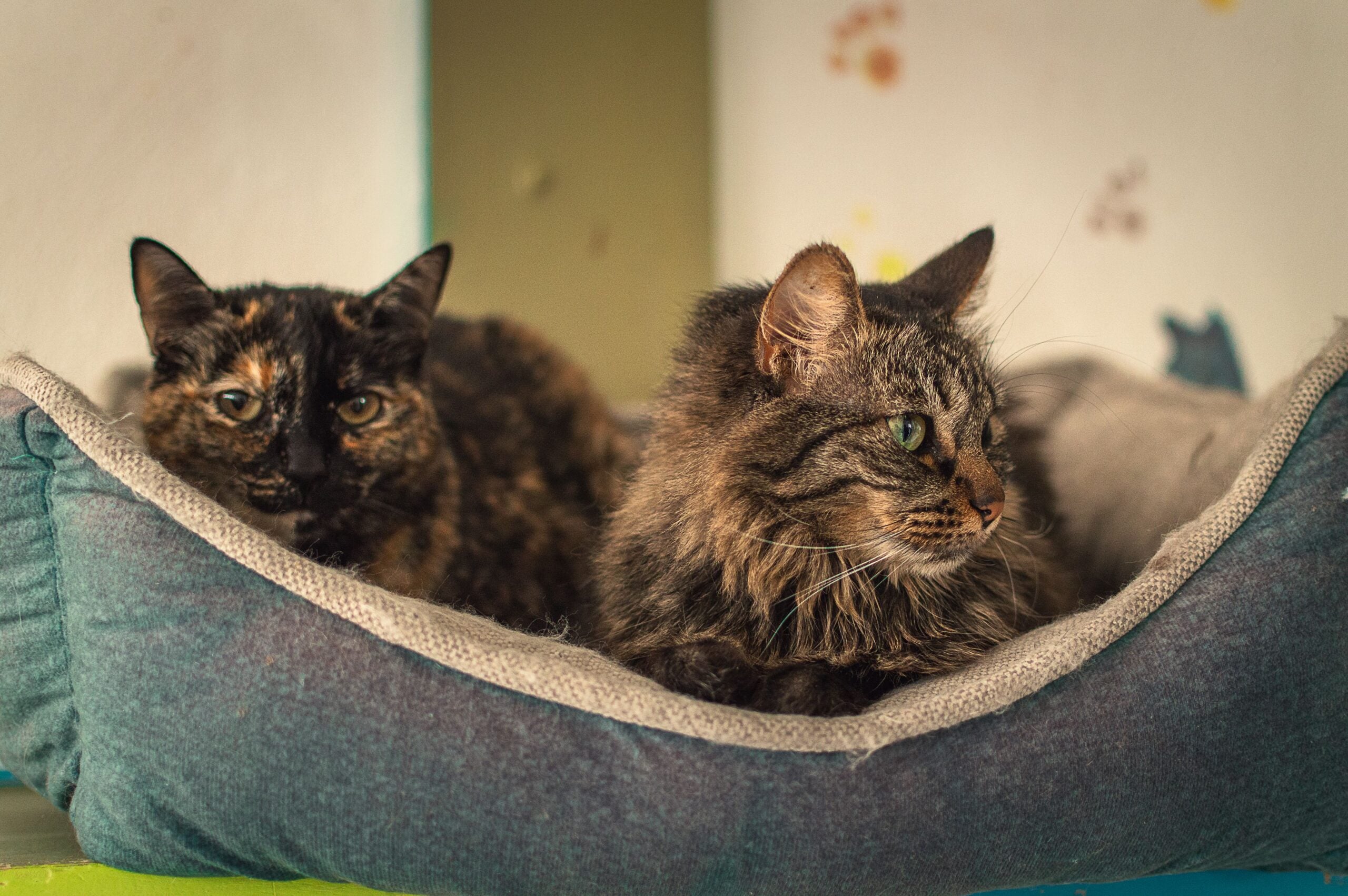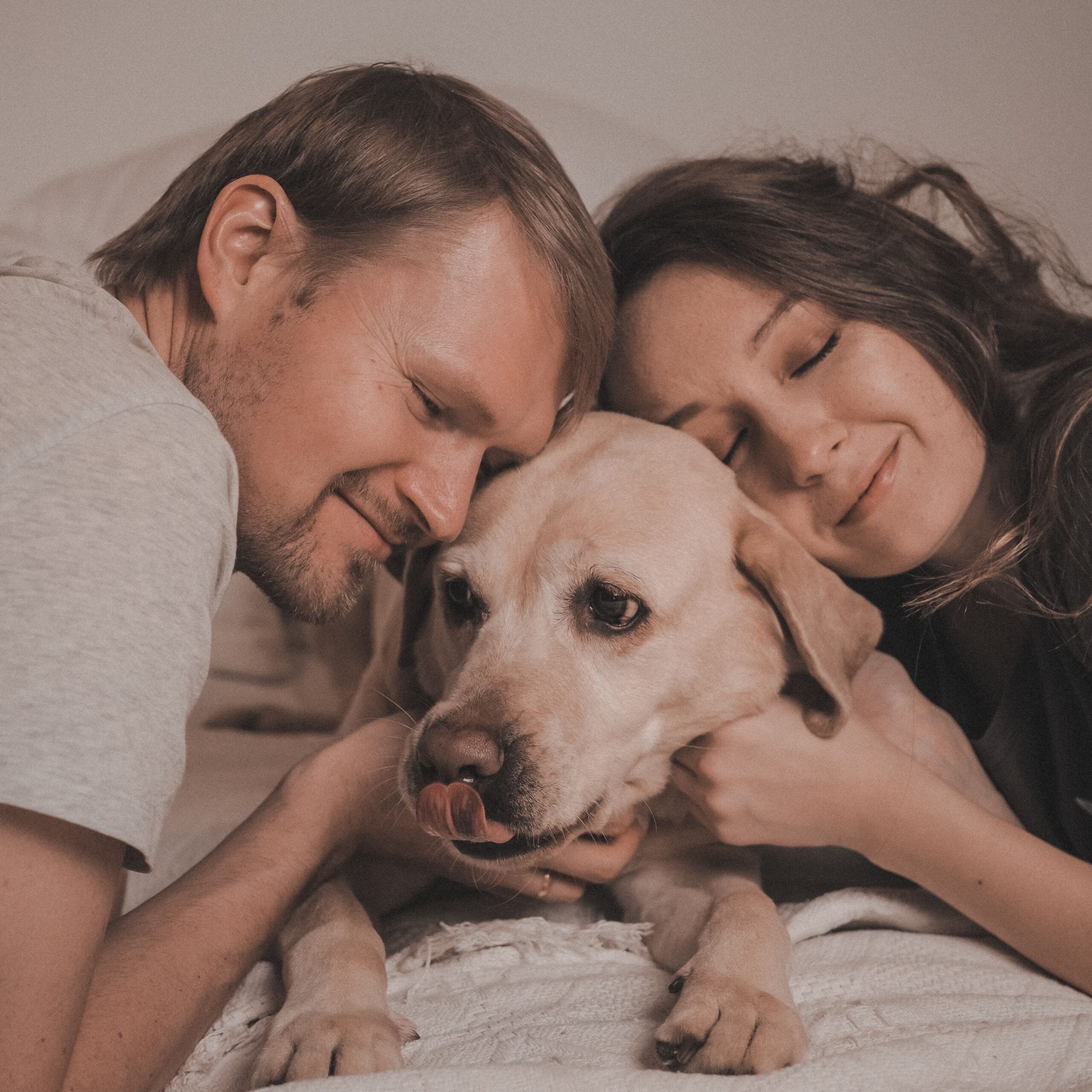

Winter brushing season is one of the best opportunities you will have all year to properly check your pet for lumps, and most owners do not realise they are doing it. Your hands are already moving through the coat, over the skin, across the body. With a small change in intention, that grooming session becomes an early detection system.
Finding a lump is alarming. It should not be: most lumps in pets are benign. But most is not all, and the difference between a fatty cyst and something that warrants urgent attention is not something you can reliably determine by feel alone. Knowing what to look for, what questions to ask, and when to act is what this guide covers.
Why Winter Grooming Is the Right Time
Dogs and cats shed their winter undercoat as temperatures shift, making this a naturally high-contact grooming period. Thick winter coats also conceal lumps that might otherwise be visible. A mass that would be obvious on a short-coated dog in summer can hide for months under a heavy double coat.
Running your hands firmly through the coat while you brush is the key: not just surface-stroking, but genuinely feeling the skin beneath. You are looking for anything that does not belong: a raised area under the skin, a hard mass, a soft squishy lump, a scabbed or hairless patch, or anything that causes your pet to flinch when you pass over it.
Work systematically from nose to tail, including:
- Under the jaw and along the neck
- The armpits (axilla) and groin, which are common sites for swollen lymph nodes
- Along the spine and ribcage
- The abdomen, as gently as you can
- The base of the tail
- Between the toes and under the paw pads
- Inside the ear flaps
Types of Lumps: What You Might Find
Understanding the common categories helps frame the conversation when you call the clinic. None of these can be reliably distinguished without veterinary assessment, but knowing the terminology is useful.
Lipomas are soft, movable, fatty deposits under the skin. They are the most common lump found in middle-aged and older dogs, particularly Labradors, Golden Retrievers, and Schnauzers. Most are completely benign and slow-growing. However, not every soft, movable lump is a lipoma. A lump that looks and feels like a lipoma can occasionally be something more concerning, which is why assessment still matters.
Sebaceous cysts are small, often raised lumps caused by a blocked sebaceous gland. They may occasionally discharge a white or grey pasty material. Usually benign, but they can become inflamed or infected.
Warts (viral papillomas) are common in younger dogs and in older immunocompromised animals. Typically cauliflower-textured and found around the mouth and face. Most resolve on their own, but any wart-like growth on an older dog warrants assessment.
Mast cell tumours are one of the most common skin tumours in dogs and one of the most important not to miss. They can look like almost anything: a small raised red lump, a soft subcutaneous mass, or a skin tag. They can grow slowly for months then suddenly change in character. The standard teaching is that any lump on a dog should be treated as a mast cell tumour until proven otherwise, which is why fine needle aspirate is so commonly recommended as a first step.
Lymph node enlargement presents as firm, often symmetrical swellings in the neck, armpit, or groin. Swollen lymph nodes can indicate infection, inflammation, or lymphoma. They should always be assessed promptly.
Mammary tumours are found in undesexed female dogs and cats, typically as small nodules along the mammary chain. Approximately 50% of mammary tumours in dogs are malignant; in cats, the proportion is higher. Early detection and surgical removal is significantly associated with better outcomes.
Cats and lumps: cats develop skin masses less commonly than dogs, which is one reason cat owners may be less vigilant about checking. When cats do develop lumps, they tend to be more frequently malignant than equivalent presentations in dogs. Any new lump on a cat warrants prompt assessment rather than a watch-and-wait approach.
When Is a Lump an Emergency?
Most lumps are not emergencies, but some presentations warrant a same-day call rather than a routine appointment:
- The lump appeared suddenly and has grown rapidly over days
- The lump is ulcerated, bleeding, or has an open sore
- Your pet is in obvious pain when the area is touched
- The lump is near the eye, in the mouth, or on a limb in a way that is limiting movement
- Your pet has become lethargic, stopped eating, or lost weight alongside the appearance of the lump
- Multiple new lumps have appeared at once
If in doubt, call us. It takes thirty seconds to describe what you are seeing and get a sense of the urgency level.
When to Book a Routine Appointment
If none of the above apply, a routine appointment is appropriate for any new lump that:
- Has been present for two to four weeks with no change
- Is growing slowly but consistently over weeks to months
- Has changed in texture, colour, or size since you first noticed it
- Is in a location you cannot monitor easily, such as behind the ear, under the jaw, or in the groin
- Is causing your pet mild discomfort but not acute pain
The standard recommendation from most veterinary oncologists is that any lump present for a month and larger than one centimetre should be assessed, not watched.
What Happens at the Assessment?
For a new lump, the most common initial investigation is a fine needle aspirate (FNA). This is a quick, usually well-tolerated procedure: a needle is inserted into the lump and cells are collected for examination under a microscope. It takes seconds, rarely requires sedation, and gives useful information about the cell type present.
FNA does not always give a definitive answer. Some tumours do not exfoliate well, and the sample may come back as inconclusive. In those cases, or for lumps with a concerning appearance or location, a surgical biopsy or complete excision with histopathology may be recommended.
Our general consult and surgical services cover everything from initial assessment through to soft tissue surgery and specialist referral where needed.
The Lump You Have Been Watching for Six Months
We see this regularly: an owner brings in a dog for something else, mentions “oh and there is this lump I have been keeping an eye on,” and it has been present for the better part of a year and quietly grown.
The instinct to watch and wait is understandable. But the earlier a lump is assessed, the more options are available. A one-centimetre mast cell tumour removed with clean margins is a very different clinical situation to a four-centimetre mast cell tumour that has invaded the surrounding tissue.
If you have been watching a lump, bring it to your next appointment. If you have not had your pet in recently, winter grooming season is a natural prompt to book a check-up.
Book a Check-Up
If you have found a lump during grooming, or have one you have been watching for a while, book a general consult with our Dapto team. A quick assessment now is always better than a more complex conversation later.
For general guidance on cancer in companion animals, the Australian Veterinary Association maintains resources on early detection and management.
Companion Animal Veterinary Hospital
Address: 38 Baan Baan St, Dapto NSW 2530
Independently owned since 2009.
Fear Free Accredited • Gold Level Cat Friendly Clinic.