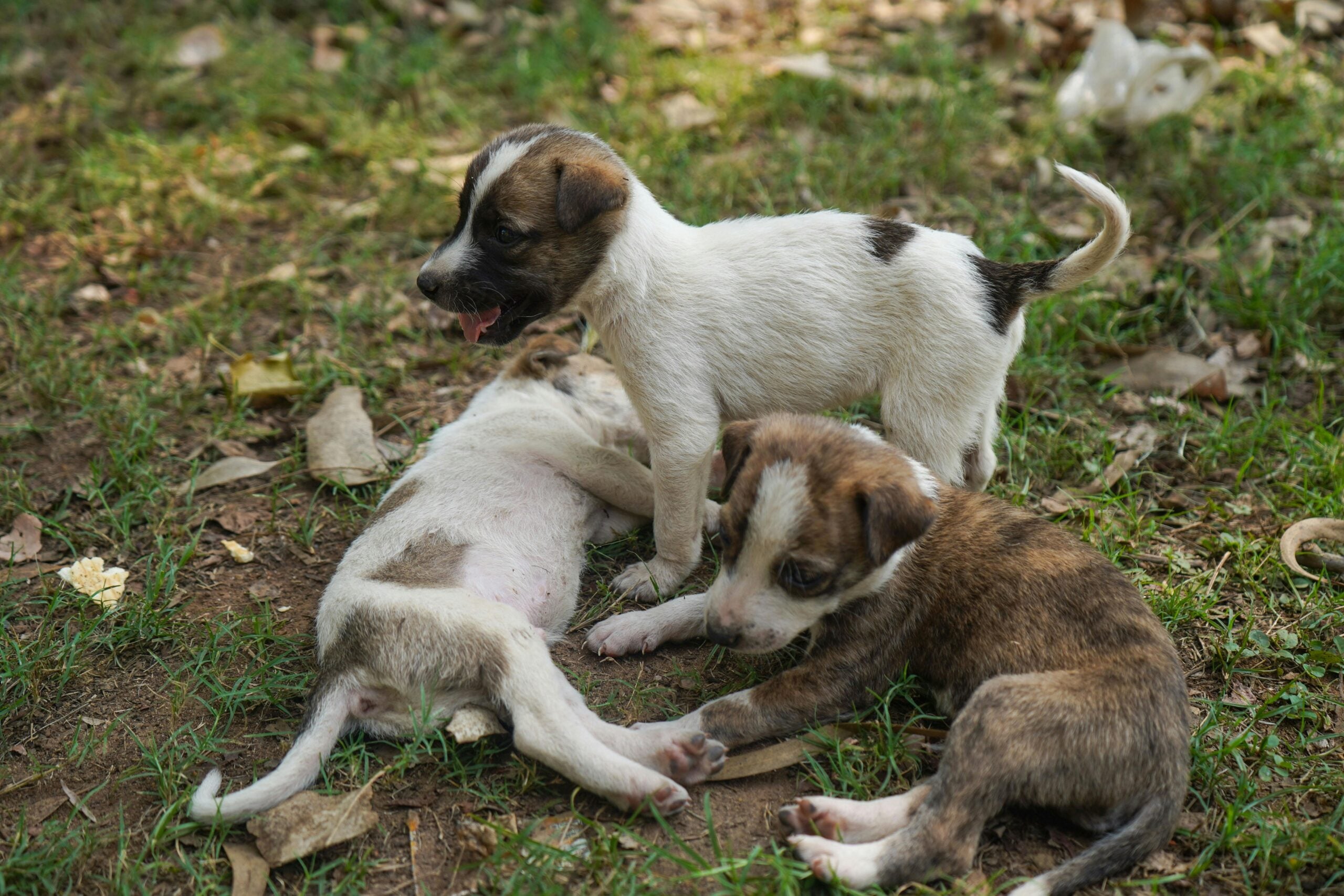

It’s 8am. It’s raining sideways. Your puppy has already lapped the lounge room six times, stolen one sock, and is now staring at you with that specific expression that means something is about to get chewed.
We know the feeling. Dapto winters bring grey, drizzly stretches where the usual morning walk just isn’t happening, and a bored puppy is a creative puppy — usually in ways you’d rather avoid.
The good news: you don’t need sunshine to wear a puppy out. Mental stimulation tires a dog faster than physical exercise. Twenty minutes of problem-solving, nose work, or focused training can leave a puppy more genuinely exhausted than a forty-minute walk in the park.
Here’s a collection of rainy day games and activities you can do indoors, most of which require nothing more than what you already have at home
Why Mental Enrichment Matters (Not Just for Wet Days)
Before we get into the games, it’s worth understanding why enrichment is so important for young dogs, not just as a boredom-buster but as a genuine part of their development.
Puppies have rapidly developing brains. During the first few months of life they are building neural pathways at an extraordinary rate, and the quality of stimulation they receive during this period shapes their confidence, resilience, and ability to handle novelty later in life.
Dogs who are under-stimulated mentally don’t just get bored. They develop frustration behaviours: destructive chewing, excessive barking, rough play, and difficulty settling. Many of the behavioural issues we see in adolescent dogs trace back to a puppy period that didn’t offer enough variety and challenge.
Enrichment is also where fear-free handling techniques start to matter. Games that introduce your puppy to new textures, sounds, and sensations at their own pace build the calm, curious dog you want at twelve months.
Game 1: The Muffin Tin Puzzle
What you need: A muffin tin, tennis balls (or rolled-up socks), small treats or kibble.
How to play: Place a small treat or a few pieces of kibble in some of the muffin tin cups. Cover all the cups with tennis balls. Put the tin on the floor and let your puppy figure out that lifting the balls reveals food underneath.
Start easy: use a smaller tin with fewer cups, and put treats in every cup so early success is guaranteed. As your puppy gets the hang of it, use a larger tin and only fill some cups so they have to check all of them.
Why it works: This is a classic problem-solving exercise that engages the nose and the brain simultaneously. Puppies who complete it look genuinely pleased with themselves, and that confidence translates.
Level it up: Wrap treats inside the rolled-up socks before placing them in the cups. Now there’s an extra step to work through.
Game 2: Sniff Work (Hide and Seek for Treats)
What you need: High-value treats, your hands, a room with furniture.
How to play: Start with your puppy watching you. Place a treat on the floor nearby and say “find it.” Let them get it. Repeat once or twice so they understand the game.
Then ask someone to hold your puppy (or pop them in another room briefly) while you hide three or four treats around the room at different heights: behind a couch leg, on a low shelf, under the edge of a rug. Bring your puppy in and say “find it.”
Why it works: A dog’s nose is doing extraordinary computational work during scent games. The focus and effort required to locate treats by smell genuinely tires the brain. For puppies, this is also great practice for the kind of calm focus you want to build.
Level it up: Move to multiple rooms, use a single treat hidden in one of many identical containers, or introduce a specific scent (a drop of lavender or clove on a cotton ball) and hide that instead, so your puppy is tracking one target scent through many distractors. This is the foundation of proper nose work, which you can pursue further as your dog grows.
Game 3: The Towel Roll
What you need: A small towel or tea towel, treats or kibble.
How to play: Lay the towel flat. Scatter treats across it. Roll it up loosely. Hand it to your puppy.
They’ll sniff, paw, and nose at the rolled towel to unroll it and get to the treats inside. The texture, the smell, and the challenge of working the towel open all combine to keep them engaged.
Why it works: It’s satisfying to watch, and because it involves the whole body (nose, paws, teeth used gently), it channels puppy energy in a focused direction.
Note: Supervise this one, particularly with puppies who chew fabric aggressively. If yours is a dedicated chewer, use a silicone lick mat or snuffle mat instead, which achieves a similar effect with less fabric risk.
Game 4: Training Micro-Sessions
What you need: A handful of small treats, three minutes, a quiet spot.
Rainy days are genuinely excellent for training because there are fewer distractions. Short, frequent training sessions (two to five minutes, three to five times across the day) are far more effective for puppies than one long session.
Skills to work on indoors:
- Sit and drop: Reliable foundations. If your puppy doesn’t have these solid yet, now is the time.
- Wait: Ask your puppy to sit, take one step back, pause, return, and reward. Gradually increase distance and duration.
- Name recognition: Say your puppy’s name. The instant they make eye contact, reward. This sounds basic but sharp name recognition is one of the most useful things a young dog can have.
- Settle on a mat: Place a mat or small rug. Lure your puppy onto it and reward them for lying down on it. Build duration. This is the foundation of a “go to your place” cue that becomes invaluable at the dinner table, at the vet, and in cafes.
- Handling exercises: Gently touch your puppy’s paws, ears, mouth, and tail. Reward calmly throughout. This is direct preparation for vet visits and grooming, and it builds exactly the kind of safe socialisation that makes a dog easy to handle for life.
Keep it positive. If your puppy gets something wrong, don’t repeat the cue louder or with frustration. Simply reset, make it easier, and reward the step they can do. Puppies learn fast and they learn even faster when learning feels good.
Game 5: The Cardboard Box Exploration Station
What you need: Two or three empty cardboard boxes of different sizes, treats, optional safe household items.
How to play: Set the boxes up in different configurations: one upright with the flap open, one on its side, one with the top closed. Scatter treats inside and around them. Let your puppy explore.
For braver puppies, add items with different textures nearby: a folded plastic bag (held open, not loose), a crinkly piece of paper, a small piece of bubble wrap on the floor. Let them choose whether to investigate or not, and reward curiosity calmly.
Why it works: This is a low-key version of the kind of novel environment exposure that we work on in puppy preschool. Safe socialisation doesn’t just mean meeting other dogs and people. It means encountering new objects, textures, and sounds at a pace the puppy chooses, so they learn that novelty is interesting rather than frightening.
Puppies who approach new things with curiosity rather than fear grow into confident adult dogs. And confident adult dogs are genuinely easier to live with.
Game 6: The Lick Mat Wind-Down
After a session of games and training, a lick mat is a brilliant way to bring a puppy’s arousal level back down before you need them to settle.
What to use: Spread something sticky across the mat: plain yoghurt, a small amount of peanut butter (xylitol-free — check the label), mashed banana, or wet food. Freeze it the night before for a longer-lasting version.
The repetitive licking action is genuinely calming for dogs. It releases serotonin and reduces cortisol. A lick mat after a high-energy enrichment session is like a cup of tea after a workout: it signals to the brain that it’s time to come down.
Game 7: Staircase Recall Sprints
What you need: A staircase, two people, treats.
How to play: One person sits at the top of the stairs, one at the bottom. Take turns calling the puppy’s name enthusiastically. When the puppy arrives, reward with a treat and big praise. Repeat.
The puppy runs up, the puppy runs down, the puppy is delighted by the attention and the treats. Within ten minutes, most puppies are genuinely puffed.
Why it works: It’s cardiovascular in a safe, controlled way, and it reinforces recall (one of the most important cues your dog will ever learn) in a context that is completely positive and exciting.
Important: Only do this with puppies whose joints have been cleared for stair use. Very young puppies (under 12 weeks) and large and giant breed puppies should have limited stair activity. If you’re unsure, check with your vet.
When Rainy Days Become a Pattern: Puppy Preschool
One or two wet days are easy to manage. But if your puppy isn’t getting consistent socialisation, structured learning, and exposure to other dogs and people, the consequences show up at five or six months when adolescence hits and they suddenly seem to have forgotten everything.
Puppy Preschool at Companion Animal Vet runs in small, supervised groups designed to give your puppy exactly the things rainy day home games can’t fully replicate: safe interaction with other puppies of a similar age, exposure to a new environment, and structured learning with guidance from our team.
It also covers the foundational handling skills we mentioned above: being examined, having paws touched, being comfortable with strangers approaching them. We use fear-free techniques throughout, which means your puppy builds positive associations with being handled rather than learning to tolerate it.
If you’re searching for puppy preschool near you in Dapto or across the Illawarra, our next intake usually has limited spots. It’s worth getting in touch early.
Rainy Day Puppy Survival Kit: The Quick List
For days when you need ideas fast, here’s the short version:
- Muffin tin puzzle (treats under tennis balls)
- Sniff work: hide treats around the room, say “find it”
- Towel roll: scatter kibble, roll it up, let them unroll it
- Training micro-sessions: five minutes, five times a day
- Cardboard box exploration station
- Lick mat (freeze the night before for a longer session)
- Staircase recall sprints with two people and treats
None of these require expensive equipment. Most need only things you have in the kitchen or recycling bin. And all of them are doing something genuinely useful: building a puppy who is curious, confident, and easier to live with.
Stay dry out there.
Want to continue the learning when the sun comes out? Find out about our puppy preschool classes in Dapto and book your spot before the next intake fills up.