
The Illawarra winter isn’t as brutal as the southern highlands, but when temperatures dip into single digits overnight and that cold south-westerly rolls in off the escarpment, your pets feel it, sometimes more than you’d expect.
As your local Dapto vet, we see a predictable wave of winter presentations every year: arthritic dogs who’ve stiffened up overnight, outdoor cats with chapped skin and weight loss, and senior pets whose conditions have quietly worsened in the cold. Most of it is preventable.
This guide covers the practical steps every Dapto pet owner can take before winter bites, from the right bedding and jacket choices to adjusting calories and knowing when it’s time to book a check-up.
Why Winter Matters More Than You Think
Pets regulate body temperature differently to humans. Dogs lose heat rapidly through the ground when sleeping on cold surfaces. Cats, especially outdoor and senior cats, can become hypothermic more quickly than their independent nature might suggest. And for pets already managing a health condition like arthritis or kidney disease, cold weather doesn’t just cause discomfort; it can accelerate the condition.
The Dapto/Wollongong region averages overnight lows of 5–8°C in June and July. That’s cold enough to matter, particularly for:
- Short-coated dogs (Staffy, Boxer, Greyhound, Whippet)
- Small breeds (Chihuahua, Dachshund, Miniature Pinscher)
- Senior pets aged 8+
- Underweight or recently unwell animals
- Outdoor cats who haven’t been assessed lately
Outdoor Dogs: Warmth, Bedding, and Calorie Adjustments
Getting the sleeping setup right
The most important winter change for an outdoor dog is what they sleep on and where. Cold ground pulls heat out of the body rapidly, even a dog who “seems fine” may be shivering through the night without you knowing.
What to do:
- Raise the bed off the ground. A raised trampoline-style bed or a thick foam mat inside the kennel makes a significant difference.
- Line the kennel with straw or a fleece blanket. Change it regularly, damp bedding is worse than no bedding.
- Point the kennel opening away from the prevailing cold wind (typically south-west in the Illawarra).
- Consider moving the kennel under an eave or into a sheltered spot for the season.
If your dog is sleeping outside at temperatures below 10°C, that’s worth reassessing, especially if they’re short-coated, elderly, or lean.
The jacket question
Dog jackets divide opinion, but for certain breeds and circumstances they’re genuinely useful, not just cute. A well-fitted jacket adds real warmth for short-coated and small breeds on cold mornings and evenings.
Look for a jacket that:
- Covers from neck to base of tail
- Has a belly panel (heat loss through the abdomen is significant)
- Is waterproof or water-resistant on the outer layer
- Is easy to remove so it doesn’t trap moisture
Remove jackets when your dog comes inside to a warm space, overheating and trapped dampness cause their own problems.
Adjusting calories in winter
Dogs who spend a lot of time outdoors in cold weather burn more energy maintaining body temperature. An outdoor dog’s calorie needs can increase by 10–25% in winter, depending on the breed, coat, and overnight temperature.
Signs your dog may need more food in winter:
- Visible ribs or a more pronounced spine
- Feeling notably bony when you run your hands along their sides
- Seeking food more urgently than usual
If you’re unsure, book an annual health check with your Dapto vet, our team can do a body condition score and recommend the right adjustment for your dog’s size and lifestyle, rather than guessing.
Senior Pets and Arthritis: The Cold Makes It Worse
If you have a pet aged 8 or older, arthritis management in winter deserves its own section, because cold weather is one of the most consistent triggers for increased joint pain and stiffness.
Signs your pet's arthritis is flaring
Many owners are surprised to hear their pet has arthritis because the signs are subtle and gradual. Watch for:
- Difficulty rising from a lying position, especially first thing in the morning
- Reluctance to use stairs or jump onto furniture they previously enjoyed
- A stiff or “bunny hopping” gait after rest
- Increased grumpiness or pulling away when touched around the hips or spine
- Licking or chewing at a joint
- Sleeping more than usual and being less interested in walks
Cats are particularly stoic, you may notice them choosing the floor over their favourite high spot, or grooming their hindquarters less than usual.
What you can do at home
- Warmth is therapy. A warm, draught-free bed helps enormously. Heated pet pads (designed for pets, not electric blankets) can make a real difference for arthritic animals.
- Keep them moving gently. Rest is not the answer, short, regular walks are better than long ones that cause post-exercise stiffness.
- Ramps and steps. If your senior dog or cat loves the couch or the bed, provide access via a ramp so they don’t have to jump and land on stiff joints.
- Non-slip mats. Cold floorboards and tiles are slippery and hard on arthritic legs. Non-slip mats at the spots where your pet rests, eats, and rises from sleep make a real difference.
When to see your vet
If your senior pet’s mobility has changed noticeably since last winter, or if they’ve never been formally assessed for arthritis, a check-up before the coldest months arrive is genuinely worthwhile.
We offer dedicated senior pet consultations at Companion Animal Vet, a thorough assessment covering joint health, weight, organ function, and pain indicators, specifically tailored to what older dogs and cats need. The earlier arthritis is identified and managed, the better the long-term outcome.
Pain management options have improved significantly, from prescription anti-inflammatories to joint supplements, weight management programmes, and rehabilitation advice. There’s a lot we can do; the barrier is often just getting the assessment done.
Older Cats: Indoors, Warm, and Watched
Cats are notorious for hiding discomfort, and winter is when the cracks show. Senior cats lose body condition faster in cold weather and are slower to recover from illness.
Setting up a warm indoor space
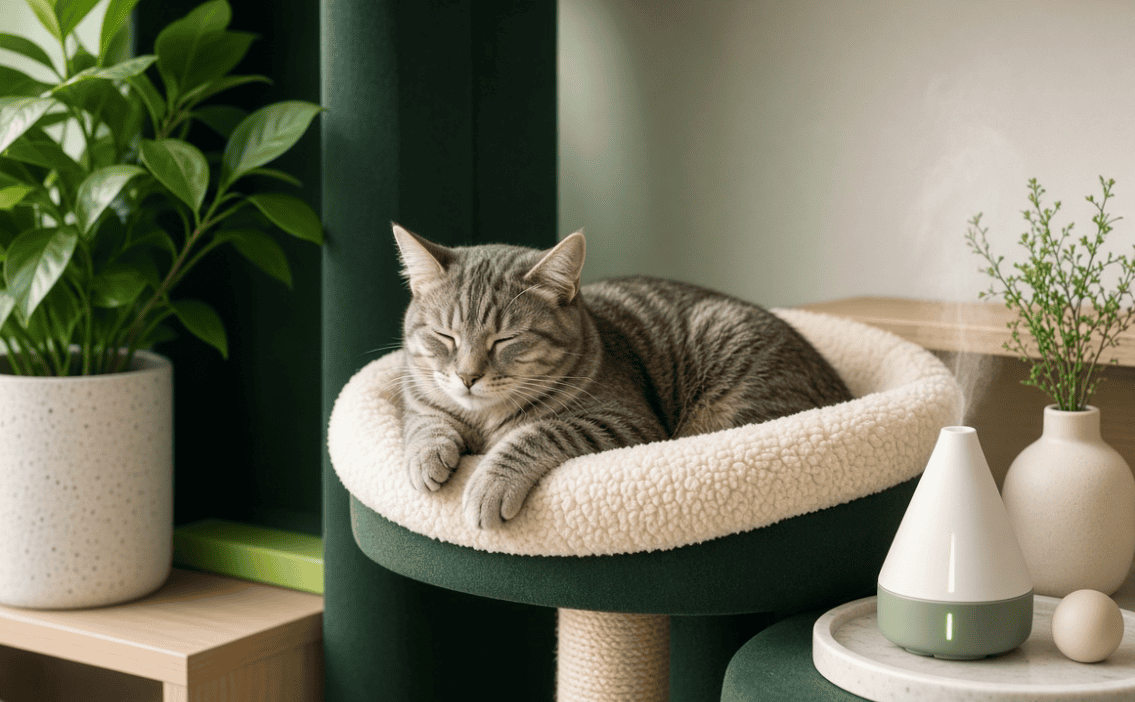
- Location matters. Cats prefer warmth that doesn’t fluctuate, a spot away from draughts, near (but not directly on) a heater. Many cats will spend winter camped by a split-system.
- Multiple beds. Cats like choice. A bed in a sunny north-facing spot for daytime and a warmer, enclosed bed for nights works well.
- Watch their body weight. Run your hands along your cat’s spine and ribs every few weeks through winter. If you can feel the ribs easily or the spine feels sharper than usual, it’s time to act. Weight loss in a senior cat is never “just winter”, it warrants investigation.
Indoor vs outdoor cats in winter
If your cat is typically outdoors during the day, winter is a good time to review that arrangement, especially once they’re past 10 years old. Outdoor cats face additional cold stress, encounter more territorial conflict (which causes wounds and bite abscesses), and are harder to monitor for the subtle signs that something is wrong.
Transitioning an outdoor cat to more time indoors takes patience, but most adapt well with the right environmental enrichment.
Weight Management Through Winter: Feeding Smarter
Winter throws pet nutrition in two directions at once:
Outdoor and active pets may need more calories, as discussed above.
Indoor and less-active pets, particularly cats and small dogs who slow down significantly in winter, are at risk of weight gain if their food isn’t adjusted downward.
Obesity in pets is one of the most common and most preventable health problems we see. It worsens arthritis, stresses the heart, and shortens life. Winter, when walks get shorter and activity drops, is when the extra weight tends to creep on.
A few practical tips:
- Measure food rather than estimating. “A handful” or “a cup” vary enormously. Use the cup or scales.
- Account for treats. Treats count. If you’re giving more warm treats in winter, reduce the meal accordingly.
- Stick to winter-appropriate portions. If your dog is doing half the walks they did in summer, their calorie needs have dropped proportionally.
- Ask your vet about a body condition score. This is a standardised way of assessing whether your pet is under, over, or at the right weight, and it takes two minutes.
Your Winter Vet Checklist
Before the coldest weeks arrive, it’s worth running through this list:
For all pets:
- Is their bedding warm, elevated, and draught-free?
- Is their weight appropriate for winter activity levels?
- Are vaccinations and parasite prevention up to date?
For outdoor dogs:
- Is the kennel sheltered, lined, and off the ground?
- Does your dog need a jacket for cold mornings and evenings?
- Have you adjusted their calorie intake for the season?
For senior pets (8+ years):
- Have you noticed any change in mobility, appetite, or behaviour?
- When did they last have a full health check?
- Is there any sign of arthritis flaring; stiffness, reluctance, grumpiness?
For cats:
- Do indoor cats have warm, draught-free sleeping spots?
- Have you run your hands along their spine and ribs to check their body condition?
- Are outdoor cats spending more time inside during cold snaps?
When to Book a Winter Check-Up
A mid-year annual health check is one of the most practical things you can do for your pet’s long-term health. It’s not just about vaccinations, it’s a comprehensive look at everything that might be quietly changing: organ function, joint health, dental disease, weight trends, and heart sounds.
If you’re local to Dapto, Horsley, Kanahooka, Haywards Bay, or the wider Illawarra and are searching for a nearby vet who can assess your pet’s winter readiness, we’d love to help. Our team at Companion Animal Vet has been caring for Dapto pets since 2009.
To book an appointment, visit companionanimalvet.com.au or call (02) 4261 9838.
Further Reading
For more detail on general winter animal care, the RSPCA NSW has a helpful resource on keeping your animals safe and healthy this winter, covering everything from livestock to household pets.