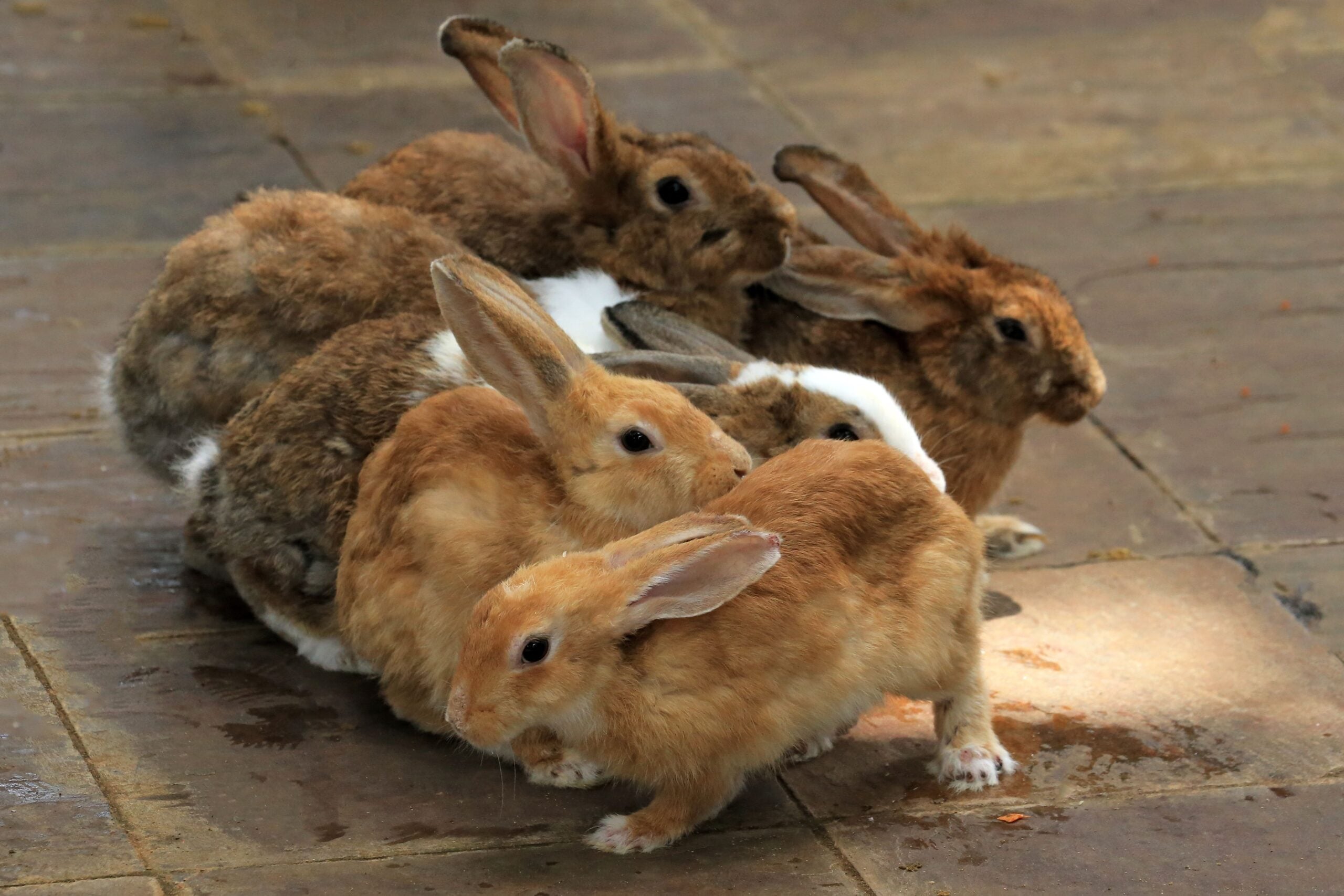

At Companion Animal Veterinary Hospital, we often say that a rabbit’s stomach is the engine room of their health. Unlike dogs or cats, a rabbit’s digestive system is designed to be in constant motion. When that motion stops or the “fuel” is wrong, things can take a dangerous turn very quickly.
As a dedicated rabbit vet specialist in Dapto, we’ve put together this guide to help you navigate the often-confusing world of bunny diets.
The 80/15/5 Rule: The Rabbit Food Pyramid
To keep your rabbit’s gut and teeth healthy, their daily intake should follow a strict ratio.
1. The Foundation: Hay & Grass (80%)
Hay is not just bedding; it is the most critical part of their diet. Rabbits need high-fibre grass hay (such as Timothy, Oaten, or Orchard hay) available 24/7.
- Why? The long fibres keep the gut moving (preventing GI Stasis) and, crucially, the “side-to-side” chewing action grinds down their teeth.
- Expert Tip: Rabbit teeth grow continuously throughout their life. Without enough hay, they develop painful “spurs” that require specialist dental surgery.
2. Leafy Greens (15%)
Fresh vegetables provide essential vitamins and hydration. Focus on dark, leafy greens like:
- Kale, Bok Choy, and Cos Lettuce (avoid Iceberg).
- Herbs like parsley, mint, and coriander.
- Carrot tops (the green bits, the orange root is actually too high in sugar for daily use!).
3. High-Quality Pellets (5%)
Pellets should be a supplement, not the main meal. A healthy adult rabbit usually only needs about one tablespoon per kilo of body weight per day.
The Danger of "Muesli" Mixes
If you walk into a generic pet store, you will often see “rabbit muesli” filled with colourful seeds, corn, and grain. As rabbit specialists, we strongly advise against these.
- Selective Feeding: Rabbits will pick out the sugary “bits” and leave the nutritious pellets, leading to severe nutritional deficiencies.
- Dental Disease: These mixes don’t require the grinding motion that hay does, leading to overgrown teeth.
- Obesity: High-grain diets lead to weight gain, which makes it difficult for rabbits to groom themselves and perform “cecotrophy” (eating their night droppings), which is vital for their health.
Safe Treats vs. Toxic Foods
Everyone wants to spoil their bunny, but many “human” foods are toxic to rabbits.
Safe in Moderation | Avoid Completely |
Strawberries & Blueberries | Chocolate & Biscuits |
Apple (no seeds) | Onion, Garlic & Leeks |
Capsicum | Rhubarb |
Banana (The “Rabbit Crack”) | Avocado |
Is Your Bunny a Healthy Weight?
During your rabbit vaccination and health check, Dr Matt and the team will assess your rabbit’s “Body Condition Score.” It can be hard to tell under all that fluff if a rabbit is overweight or losing muscle mass, which is why regular weighing at a rabbit vet specialist is so important.
Book a Nutrition Consultation
If you’re unsure if your bunny’s diet is up to scratch, or if you’ve noticed they are eating less hay than usual, come and see us. Early intervention is the key to a long, happy “hoppy” life.
Book a Rabbit Health Check or learn more about our rabbit care.