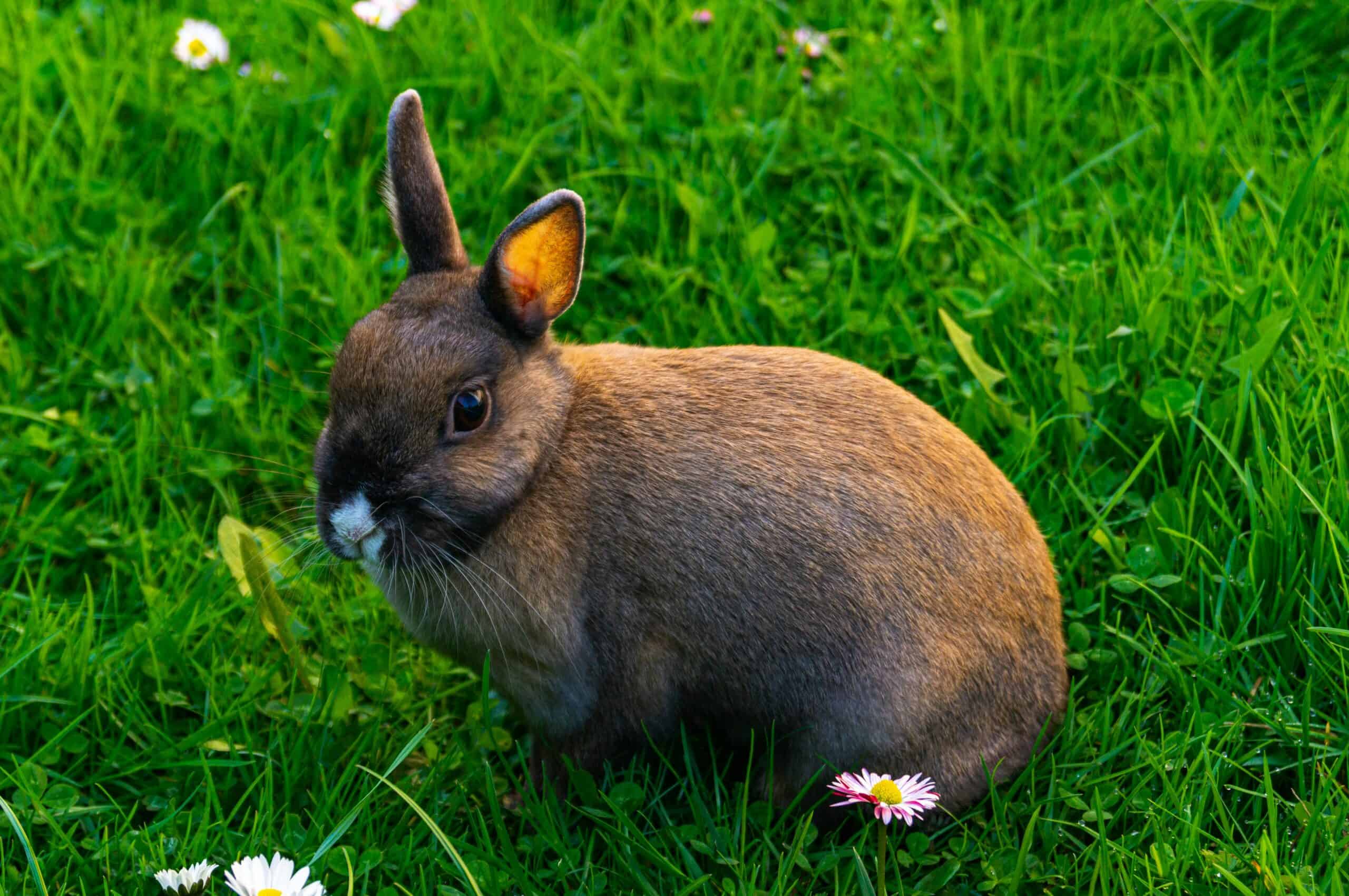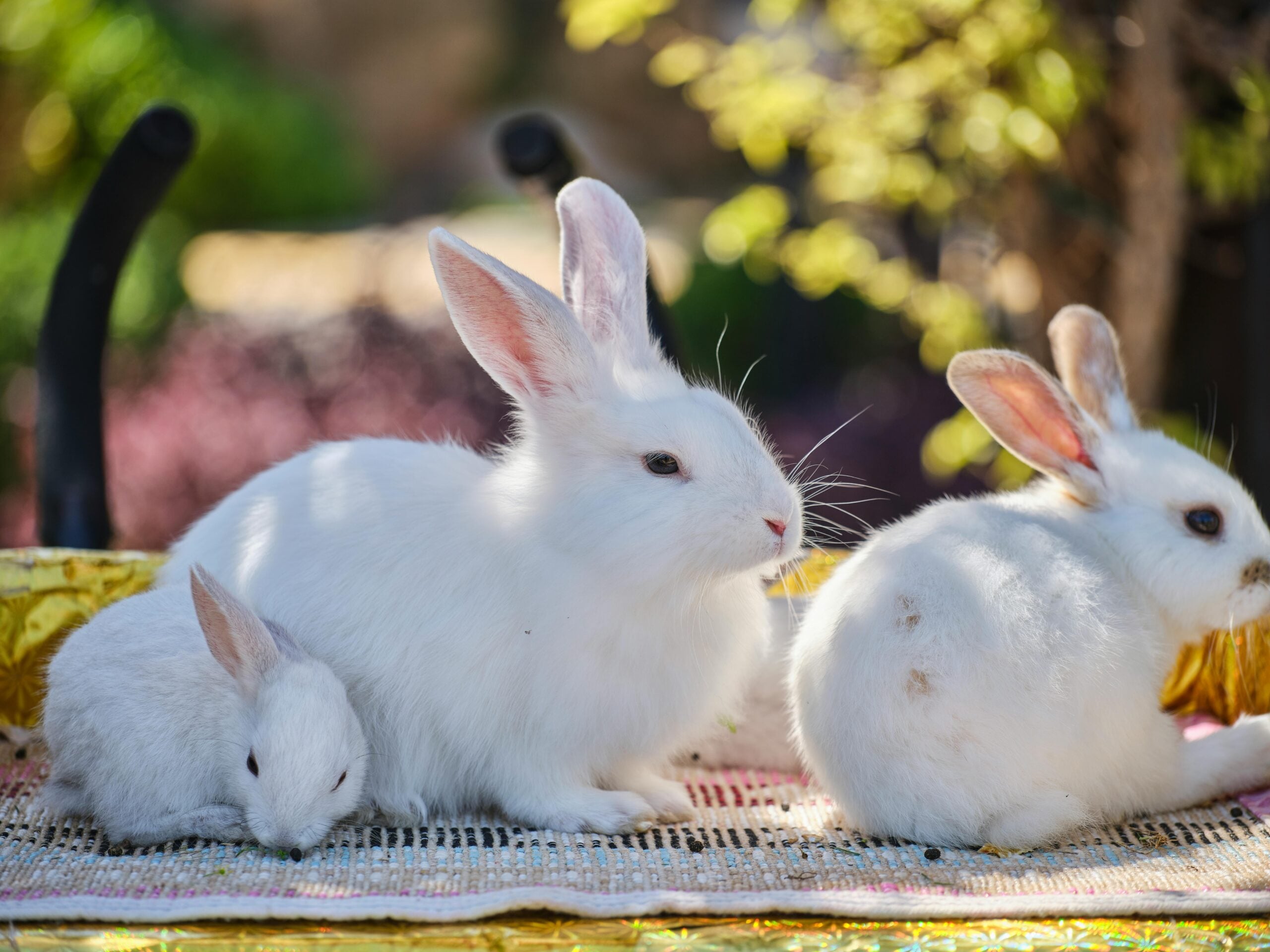

Rabbits are intelligent, affectionate, and increasingly popular members of the Dapto community. However, being a rabbit owner in New South Wales comes with a unique set of responsibilities primarily protecting your companion from the deadly Rabbit Haemorrhagic Disease Virus (RHDV), commonly known as Calicivirus.
With planned wild rabbit control programs (K5 strain releases) often scheduled for early March across the Illawarra, now is the time to ensure your bunny’s protection is up to date.
What is RHDV and Why is it So Dangerous?
Calicivirus is a highly contagious and unfortunately fatal disease that affects the liver and blood vessels of rabbits. It is particularly “hardy,” meaning it can survive in the environment for months and be spread by:
- Direct contact with wild rabbits.
- Insects such as flies and mosquitoes.
- Contaminated footwear, clothing, or hay.
Because the virus is used as a biocontrol agent in Australia to manage wild rabbit populations, the risk to domestic pets is constant, especially during official release periods.
The Current Vaccination Schedule: Filavac vs Cylap
In the past, rabbit vaccinations in Australia were limited and often required frequent “off-label” boosters. Today, we have more robust options, but the schedule can be confusing for owners.
Vaccine | Protection | Recommended Schedule |
Filavac VHD K C+V | Covers RHDV1, RHDV2, and the K5 strain. | Single dose from 10 weeks old; Annual booster required. |
Cylap RCD | Primarily RHDV1 and K5. | Often used every 6 months to maintain “cross-protection” against RHDV2. |
At Companion Animal Veterinary Hospital, our rabbit care specialists generally recommend Filavac for comprehensive protection. If your rabbit was previously on a different schedule, Dr Matt Young and our team can help you safely transition them to ensure no gaps in immunity.
The NSW "K5" Release: What You Need to Know
The RHDV1-K5 strain is a Korean variant of the virus released by authorities to control wild rabbit numbers. While it is effective for its intended purpose, it is just as lethal to your pet as the wild strains.
If a release is planned in the Illawarra for March, your rabbit should ideally be vaccinated by mid-February. This allows the 7–14 days required for their immune system to fully respond before the virus load in the environment increases.
Beyond the Jab: Biosecurity for Your Bunny
While vaccination is your rabbit’s best “armour,” we also recommend these “Bio-Security” steps at home:
- Insect Proofing: Use mosquito netting on outdoor hutches or keep your rabbits indoors during dawn and dusk.
- Safe Foraging: Avoid picking grass or greens from areas where wild rabbits may roam (like local Dapto parks).
- Shoe Hygiene: If you’ve been walking in bushland, leave your shoes at the door to avoid tracking the virus inside.
Specialist Care in Dapto
Rabbits are “prey animals,” which means they are experts at hiding illness. A vaccination appointment at our clinic isn’t just a needle; it’s a full 10-point health check including:
- Dental Assessment: Checking for overgrown molars or spurs.
- Weight Monitoring: Ensuring their diet is high-fibre and balanced.
- Gastrointestinal Health: Discussing ways to prevent the dreaded “GI Stasis.”
Book Your Rabbit's Vaccination
Don’t wait for the wild rabbit control programs to begin. Ensure your companion is protected today.
Book a Rabbit Consultation or learn more about our Desexing and Surgery services for rabbits.